
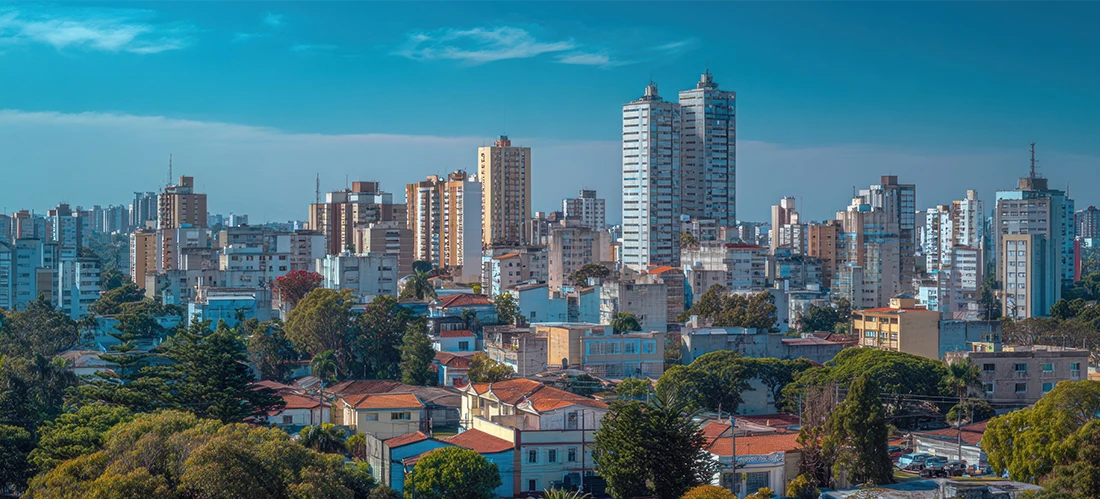
The story of every growing city is written in its choices: where we live, how we move, and the kind of neighbourhoods we build for the next generation. World Urbanism Day reminds us that urban growth is not only about taller skylines. It is about planning, people, and places that work today and for decades to come.
Urbanisation and real estate: from expansion to intention
India is urbanising at a rapid pace. That brings opportunity in jobs, innovation, and culture, and it also adds pressure on land, water, housing, and transport. For real estate, the shift is clear: move from opportunistic expansion to intentional, plan-led development. The best projects now solve for three things at once:
- Livability: light, air, safety, and community.
- Connectivity: workplaces, transit, and daily essentials.
- Sustainability: water, energy, waste, and heat resilience.
When these come together, homes hold value better, communities thrive, and the city gains long-term capacity.
Luxury housing in urban India: beyond marbles and mailers
Luxury is changing. It is no longer only high-end finishes and views. In urban India, genuine luxury increasingly means:
- Time saved through proximity to transit and essential services.
- Wellbeing through natural light, cross-ventilation, and usable green spaces.
- Privacy with participation: quiet homes within community-first campuses.
- Responsible comfort: energy-efficient systems, water security, and materials that age well.
This lens is influencing mainstream projects as well. What begins in “luxury” such as green roofs, EV-ready parking, and thermal comfort design often diffuses into value housing. This is how urbanisation and real estate can pull in the same direction: better features for more people, not only a few.
What good planning looks like at the project level
Urbanism turns into everyday benefits when design choices are made early and enforced consistently:
- Site planning that breathes: aligned towers, shaded pathways, usable courtyards, and tree cover that cools the microclimate.
- Connected living: walk-to-play areas, safe internal streets, and quick access to transit corridors.
- Resilient utilities: rainwater harvesting, dual plumbing, solar for common areas, and efficient waste management.
- Health and community: clubs that get used, real sports courts, co-working nooks, and inclusive design for seniors and children.
These are not “nice to have.” They reduce monthly costs, improve rental appeal, and build social capital in the community.
VBHC’s approach: making urban life more livable, more sustainable
At VBHC, we see urban homes as part of a city’s long game. They must be practical, future ready, and easier to live in. Our design choices focus on what lifts daily life and protects long-term value.
Rooted in Responsibility
- Rainwater harvesting and water-efficient fixtures.
- Natural light and ventilation maximisation.
- On-site waste segregation and recycling practices.
Shaped with Sustainability
- Less hardscape, more green cover and shade.
- Energy-efficient common areas and materials that last.
- Construction technologies that reduce waste and improve quality.
Tailored with Thoughtfulness
- Community life through clubhouses, sport, and shared spaces.
- Connected living with access to transit and essentials.
- Fitness and leisure amenities people actually use.
How homebuyers can vote for better cities
- Ask for the plan: transit access, open spaces, water strategy, and the maintenance model.
- Read utility design: rainwater systems, energy efficiency, and waste processes.
- Walk the community: light, airflow, usable green spaces, and safety after dusk.
- Think lifecycle: monthly costs, materials that age well, and service quality.
Urbanisation will shape our cities either by default or by design. Choosing projects that honour planning, sustainability, and community ensures it happens by design. This is how urbanisation and real estate become a force for livability, not congestion. In that future, luxury housing in urban India is defined by time, health, and responsibility, and those values should be accessible across price points.
If you are exploring thoughtfully planned, sustainable urban homes, consider VBHC’s communities and see how these principles show up in everyday living.



.png)